
The White House has issued an executive order imposing a staggering 39% ad valorem tariff on all imports from Switzerland, marking one of the most significant escalations in President Trump’s reciprocal tariff regime. The measure, which went into effect after a hard deadline for a bilateral trade deal with Switzerland expired, is justified by the administration as a necessary response to a $38 billion U.S. goods trade deficit with the country.
This new levy, effective August 7, 2025, places Switzerland in a difficult position, as the 39% rate far exceeds the 15% tariffs granted to strategic partners like the European Union, Japan, and South Korea, who had previously struck preliminary trade agreements with the U.S. before the August cutoff.
NVIDIA Becomes First Company to Reach $4 Trillion Value.
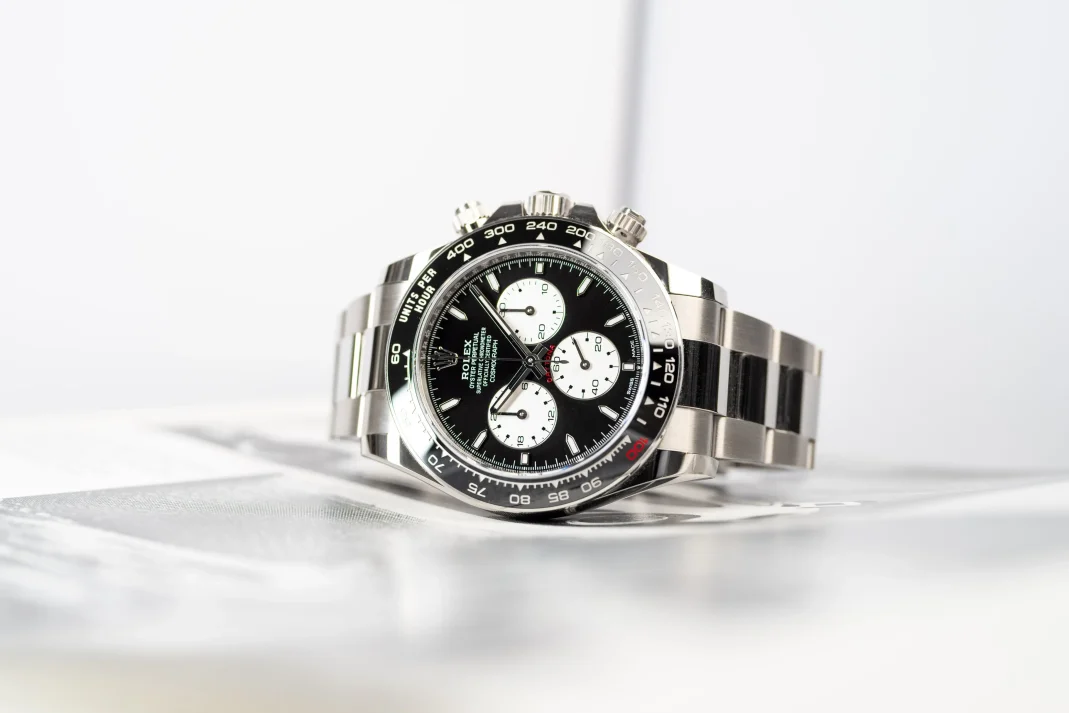
The impact is expected to be most acutely felt by Switzerland’s storied watch industry, a cultural and economic cornerstone that was responsible for over $6 billion in exports to the United States last year. The industry now faces a critical crossroads. Major Maisons such as Rolex must decide whether to absorb the substantial extra cost, thereby squeezing their profit margins, or pass the cost directly onto American consumers. This dilemma is already causing market turbulence, with some retailers reportedly nudging prices up by as much as 15% in anticipation of the new landed costs. The squeeze will be felt most severely by smaller, independent ateliers that have been carving out a niche in the competitive U.S. market, potentially driving collectors toward pre-owned platforms and the secondary market to sidestep the surcharge.
This latest action builds upon a broader tariff overhaul that the Trump administration began in April. At that time, the President announced a baseline 10% global rate and specifically threatened a 31% levy on Switzerland if trade negotiations faltered. By late July, the administration formalized a tiered structure for its trade partners: a 10% minimum on all imports, a 15% rate for partners with negotiated pacts, and significantly higher duties for countries with large trade deficits with the U.S.

This tariff strategy is not limited to Switzerland. Under the same rubric, Canada has seen its tariff rate rise from 25% to 35% in a separate order related to disputes over drug enforcement cooperation. Other nations, from India (25%) to Syria (41%), are also facing elevated trade barriers as the administration continues to use tariffs as a primary tool of economic and foreign policy.