
BMW has a habit of using its flagship sedan as a laboratory. The original 7 Series in the 1970s established the engineering credibility the brand built its entire identity around. The controversial E65 of the early 2000s, styled by Chris Bangle and despised on sight by traditionalists, introduced interface concepts that the rest of the industry eventually adopted. The current generation that arrived in 2023 brought a theater screen that dropped from the headliner and screens that faced the rear passengers and an electric powertrain that shared a platform with the combustion version. Each time, the argument was the same: this car is not just a luxury product. It is a statement about what is coming next. The 2027 refresh of the 7 Series is making that argument again, and this time the stakes are considerably higher.
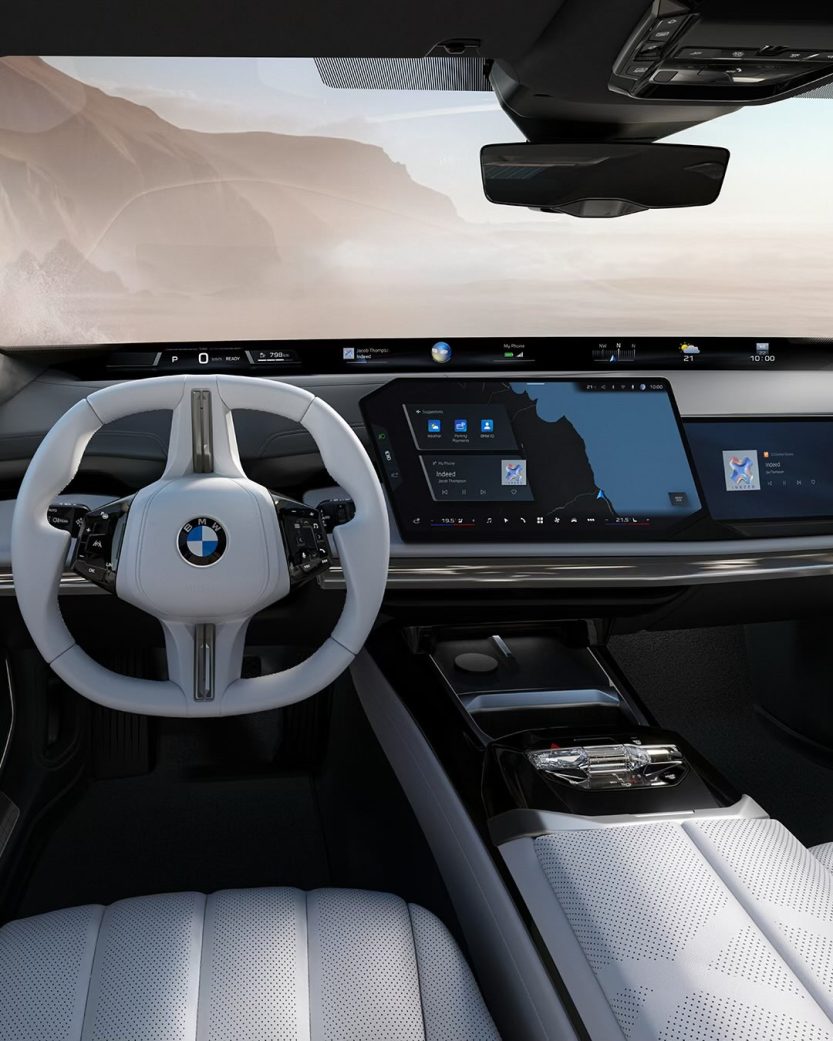
What BMW has done with this update is take the interface architecture from its next-generation Neue Klasse platform, the one that produced the new iX3 SUV and i3 sedan and represents the company’s most ambitious technological reimagining in decades, and grafted it onto a car that was not built to receive it. The result is the most extensive mid-cycle update the brand has ever attempted. The Panoramic iDrive system, which projects a full strip of information along the base of the windshield from A-pillar to A-pillar, replaces the traditional instrument cluster entirely. A 17.9-inch central touchscreen sits alongside a standard 14.6-inch passenger display, both in the parallelogram shape that the Neue Klasse cars introduced. The iDrive clickwheel, the rotary controller that BMW literally invented and that every other manufacturer eventually copied, is gone. The electrical architecture running underneath all of it carries 20 times more processing power than the outgoing system and a wiring harness that is 2,000 feet shorter and 30 percent lighter.
Rolls-Royce Unveils an Ultra Exclusive Yacht Inspired Cullinan Collection
This matters beyond the 7 Series because BMW has confirmed this technology is coming to the refreshed 5 Series, the new X5, and everything that follows. The flagship is not being updated in isolation. It is being used to validate the next-generation platform in a real-world production context before that platform becomes the backbone of the entire lineup. The 7 Series buyer, spending north of $100,000 on the most comprehensively equipped version of BMW’s vision of automotive luxury, is also unknowingly participating in a technology rollout that will eventually reach every driver who buys a BMW anywhere in the world. That is a specific kind of confidence, and it speaks to how seriously the company is taking the transition.
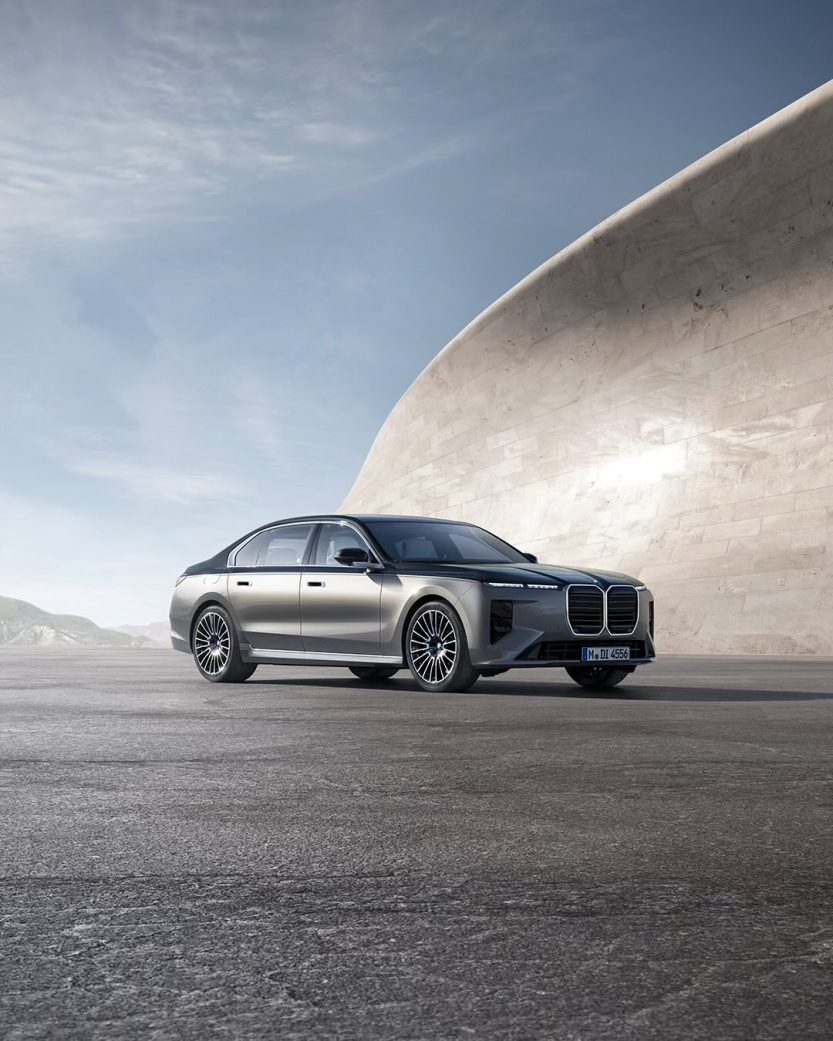
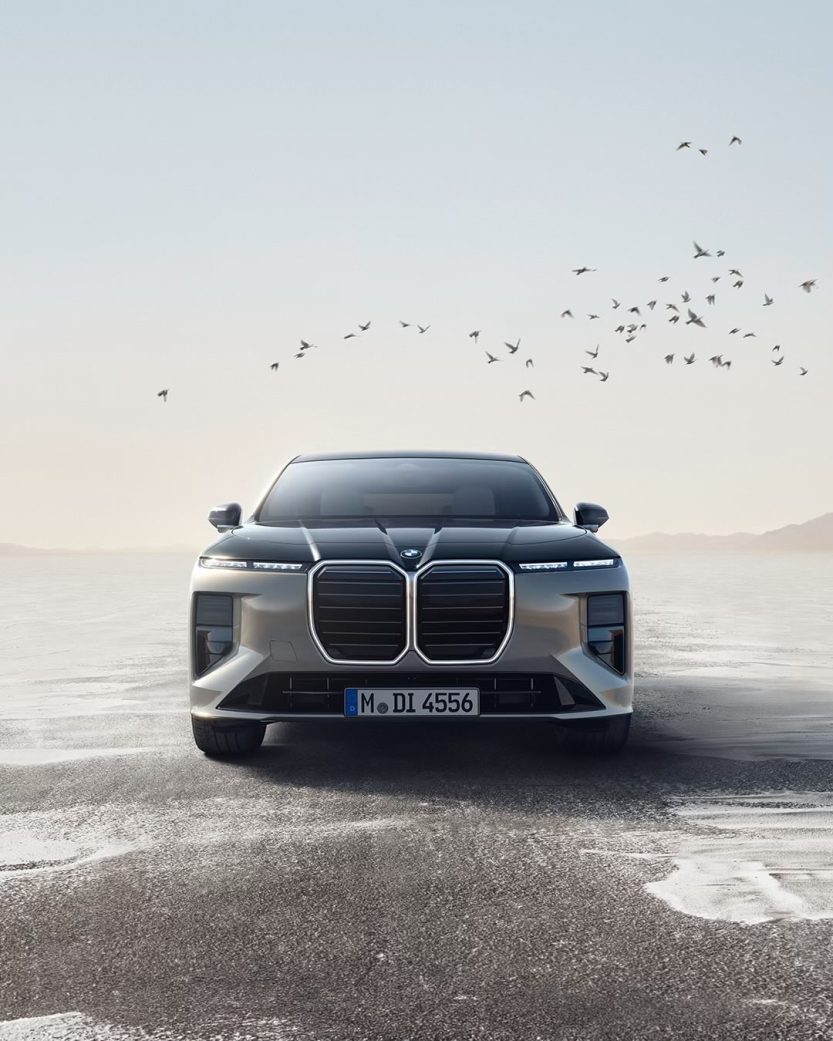
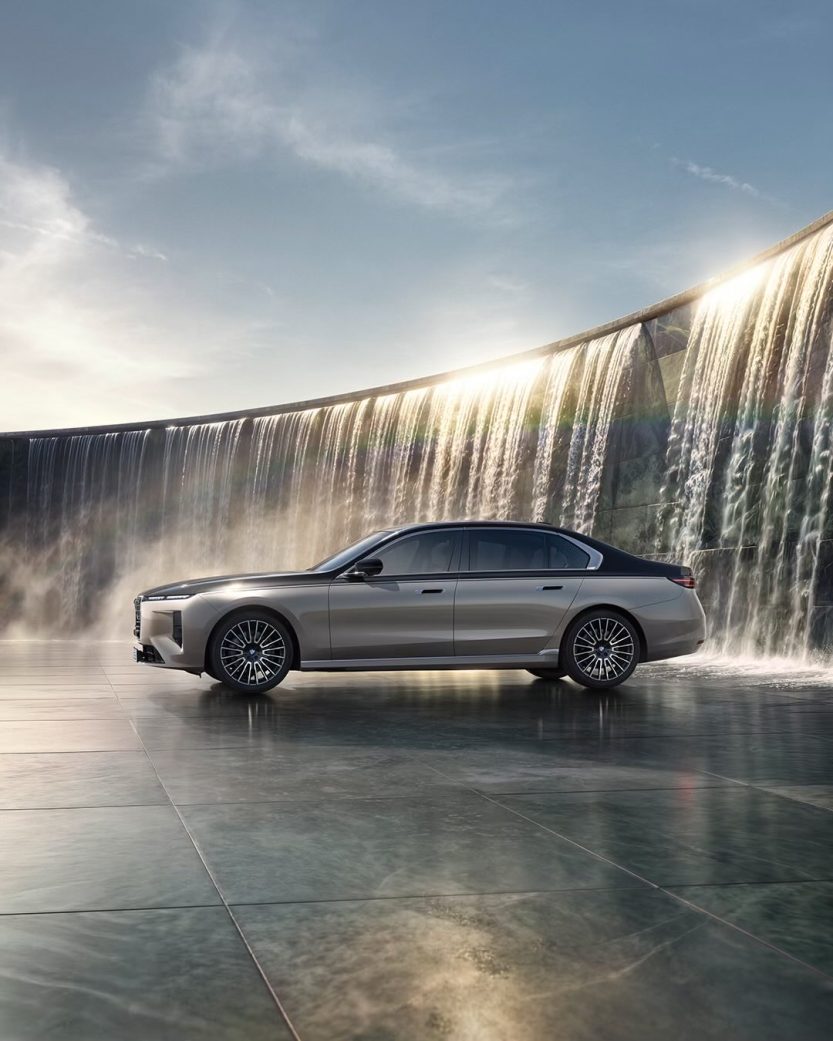
The exterior changes are more restrained by comparison, which is the right call. The face has been flattened and the grille made more upright between slit-like headlights, the rear simplified into two clean red stripes. Where the previous generation’s styling invited strong opinions, the 2027 car wants to resolve them. The real drama has been moved inside, where it belongs in a vehicle that spends most of its life as a traveling office for people who are rarely the ones doing the driving. The optional 31.3-inch Theater Screen now handles Zoom calls via a built-in camera. The 36-speaker audio system delivers Dolby Atmos. The front and rear headrests carry speakers, and exciters in the seatbacks create what BMW describes as a 4D soundscape. A ceremonial light carpet of nearly 200,000 pixels embedded in the door sills projects patterns onto the ground when you arrive. None of this is strictly necessary. All of it is exactly what the 7 Series has always been for.

Phoebe Philo Unveils “Collection D,” Her Fourth Eponymous Range
Under the hood, the 3.0-liter inline-six in the base 740 gains 19 horsepower to reach 394, priced at $101,350 before options. The plug-in hybrid 750e returns with 483 horsepower and arrives later in 2027. The electric i7 gets the most significant mechanical update of all, switching to sixth-generation cylindrical battery cells that push usable capacity to 112.5 kilowatt-hours and range past 350 miles, with peak charging speed climbing from 195 to 250 kilowatts. A V8 M Performance variant is confirmed for a later date. The powertrain menu is comprehensive enough to serve every market, every regulatory environment, and every kind of buyer simultaneously, which is increasingly the only way to sell a global flagship in 2026.
The larger story here is not about luxury for its own sake. It is about what happens when a company with the engineering depth of BMW decides to use its most visible product as the delivery vehicle for its most ambitious technology platform. The 7 Series has always been the car that told you where the brand was going before the rest of the lineup caught up. In 2027, it is telling you that Neue Klasse is not a future promise. It is already here.