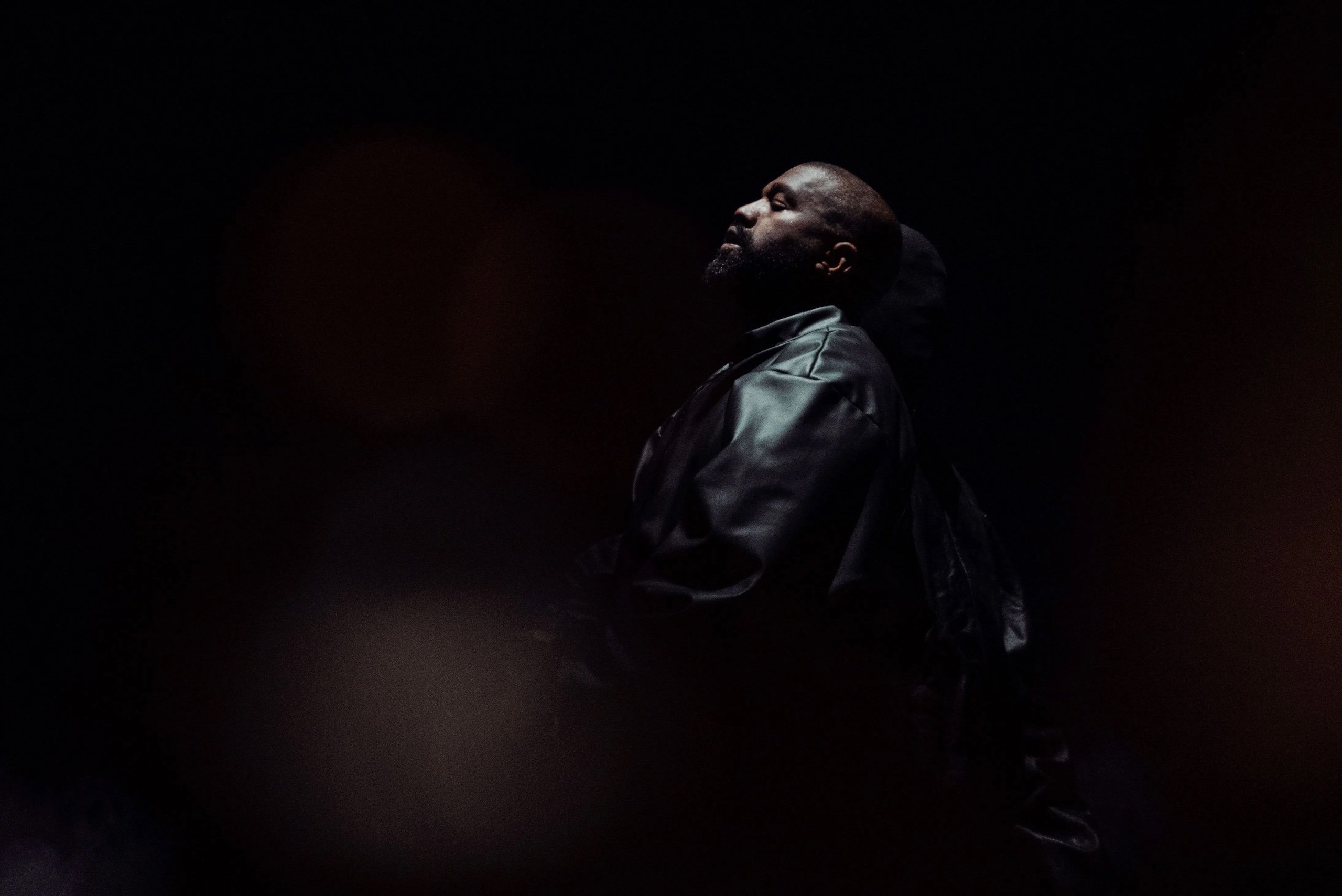

Creative minds frequently possess a deeply complicated relationship with their own creations. Vincent Van Gogh famously instructed his brother Theo to ensure his paintings remained hidden from the world after his passing. Fortunately for history Theo chose to completely ignore those anxieties. Because of that choice millions of people have experienced the breathtaking vision of a starry night painted from a quiet asylum room in Saint Remy de Provence. Fast forward to the present day and we find a uniquely modern parallel. Kanye West easily the most polarizing musical figure of our generation seems to have harbored his own profound hesitations about releasing his twelfth studio album officially titled BULLY.
The road to this release was anything but smooth. West had been teasing the project since late 2024 originally promising an arrival the following summer. However the rollout was severely derailed by erratic behavior and a series of highly offensive public outbursts that alienated his remaining core audience. Recognizing the massive damage to his career West attempted a drastic pivot just days before the album finally dropped on March 27 2026. He purchased a full page advertisement in the Wall Street Journal to issue a formal apology for his past anti semitic remarks. He openly admitted to losing touch with reality and expressed deep regret for his actions. Whether this was a moment of genuine clarity or a calculated public relations maneuver remains the defining question of this entire album cycle.
Why “Go Touch Some Grass” Is the Best Advice for Our Digital Age.
Even with the apology tour in full swing the actual release process was pure chaos. The promised midnight drop was delayed yet again leaving eager listeners staring at empty streaming pages. Just when fans assumed the project was shelved West suddenly broadcast the entire album through a late night YouTube livestream directly from an Inglewood listening event. The video was quickly pulled down before the tracks finally populated on major platforms hours later. This messy and entirely unconventional strategy proves that despite his promises to change the artist remains as wonderfully and terribly unpredictable as ever.
Once you actually press play BULLY reveals itself as a highly convincing return to his signature egocentric form. However this time around the music carries a heavy layer of self awareness that was painfully absent from his recent collaborative projects. The sonic landscape masterfully bridges the abrasive industrial harshness of Yeezus with the sweeping religious and familial nostalgia found on Donda. The album opens with an impassioned vocal sample on the track Preacher Man setting an incredibly cinematic tone. A booming voice declares that the time is right now and that nature in all her glory has crowned a new king. It immediately begs the question of who exactly West is trying to convince of this greatness. Is he hyping up his audience or is he desperately trying to reassure himself.
Lyrically the project is totally consumed by his massive ego. On the standout track Punch Drunk West dives directly into his complex relationship with the media. He raps about needing to read between the lines when publications mention his name while claiming that divine intervention is guiding his path. He cleverly compares his cultural swings to legendary heavyweight boxer Sonny Liston operating in his absolute prime. In these brief moments West reaffirms his unshakable belief in his own genius while simultaneously griping that reporters focused too heavily on his manic controversies rather than his artistic brilliance. It leaves the listener wondering if his recent apology was born from true humility or just a temporary strategy to get his music heard again.
This internal conflict reaches a boiling point on the title track. West admits that people constantly tell him his ego needs a repo but he refuses to let go while remaining in denial of it all. This remarkable moment of brevity lays out the entire crux of his current existence. He openly acknowledges that he might actually need to check himself and seek professional help. Yet the wreckage to his reputation has already happened. The flirtation with fascism and the painful broadcasted interviews came across as a profound intolerance for marginalized groups mixed with a deeply pathological need for constant attention.

We are now forced to examine whether an artist can truly climb back into the good graces of hip hop after completely shattering the boundaries of public decency. Years ago West rattled the political cage by deadpanning uncomfortable truths on live television during a national crisis. Today he has cheapened that legacy by trading profound contrarianism for shocking internet hot takes. While he managed to recruit massive talent like Travis Scott and CeeLo Green for this new record the presence of big names does not automatically erase the past. BULLY proves that West is still capable of creating brilliant music but it also forces us to ask a difficult question. Can someone remain a generational artist without ever truly conquering their own worst demons. West has reached a point where every new release is both a musical statement and a barometer for his mental health. The music might officially be back but true redemption might still be completely out of reach.