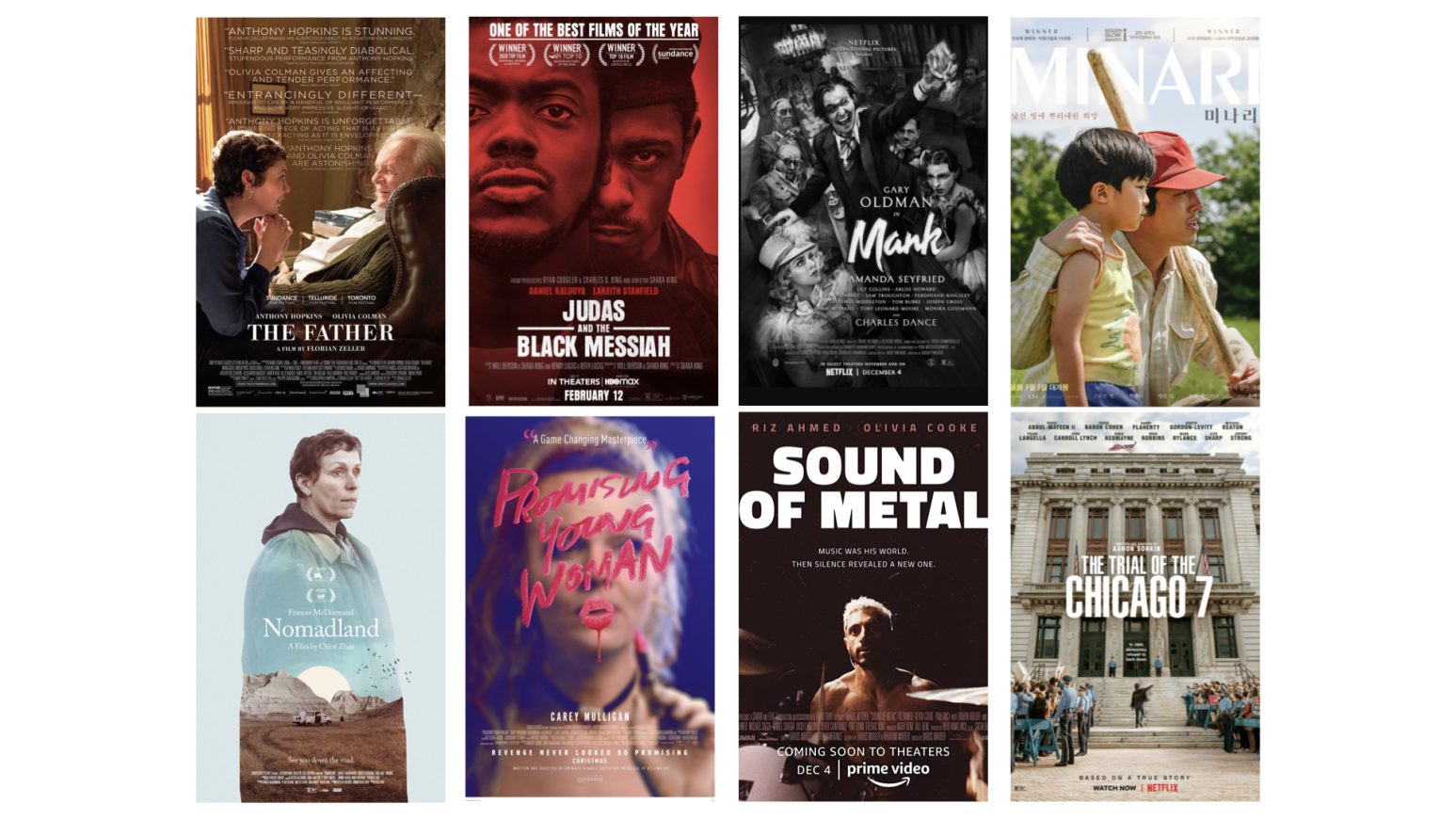

Well, friends, the moment we’ve all been waiting for. The time has come to discuss the nights top prize: Best Picture. Who will join the likes of Parasite, The Hurt Locker and No Country for Old Men? Will we have another Green Book style head-scratcher? Or a deserved triumph a la Moonlight? The smackdown seems to be between Nomadland and The Trial of the Chicago 7 with Minari trying to sneak in and outshine them both. Who will take home the golden man? Let’s chat.
The Father
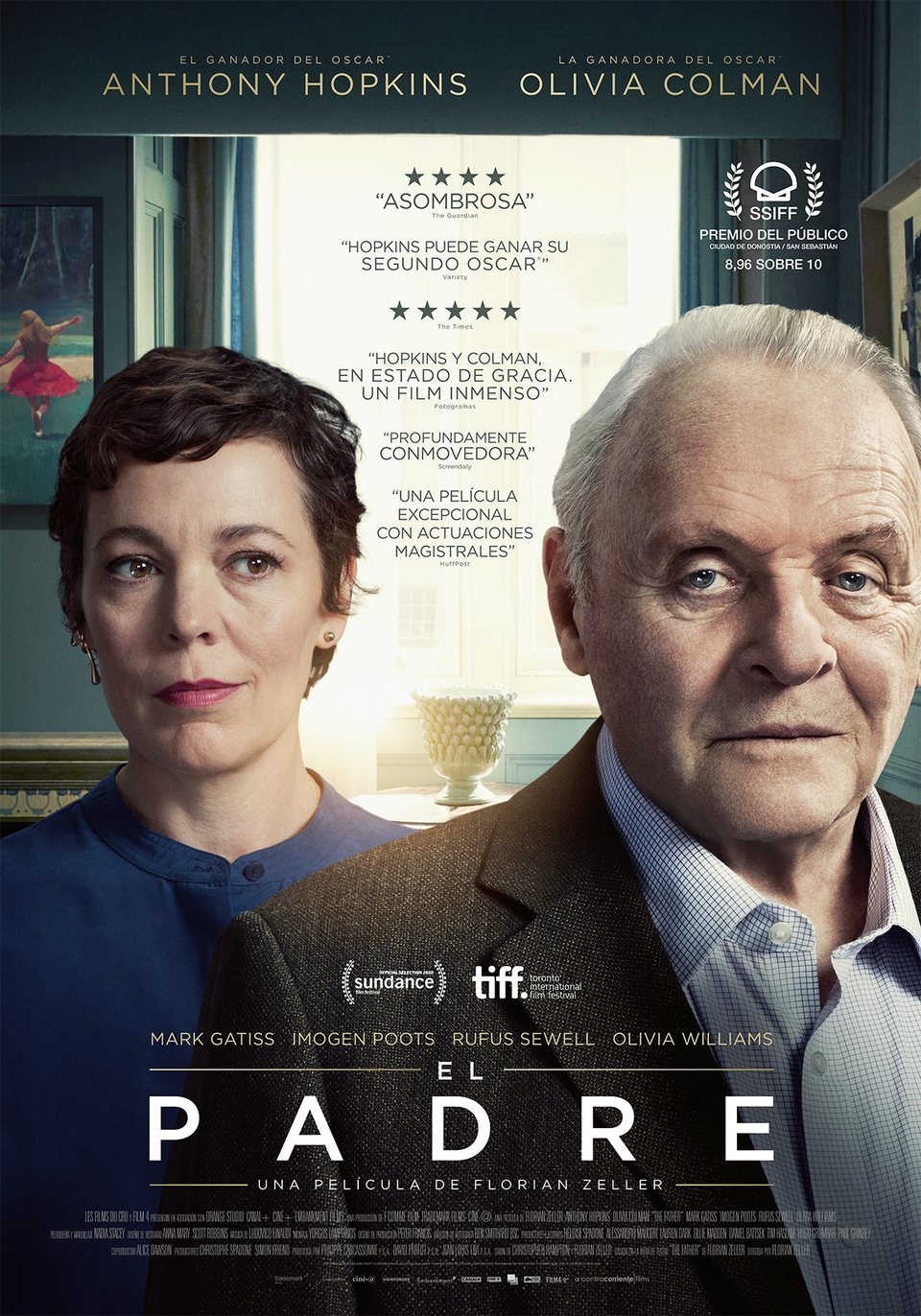
I keep (half) joking with anyone who will listen that this film is fully a horror movie. Not in the way that say Halloween or Hereditary or Nightmare on Elm Street are horror movies, but in the way that it leaves you feeling dizzy, unsettled, and upset. It’s central villain— it’s main monster— dementia, leaves those in its wake feeling less than grounded as they wade their way through what can only be described as a harrowing tilt-o-wheel ride. The Father is, in reality, a chamber piece, the kind of sweltering drama that the Academy loves to recognize. But this one really has the goods to back it up thanks to it’s confident writing, frill-less direction, disorienting but effective editing, and towering central performances from Oscar-winners Anthony Hopkins and Olivia Colman. Not since Paul Thomas Anderson’s Phantom Thread has an intimate, slick drama about the tricks our minds play on us felt so equally visceral and claustrophobic. I don’t think this flick holds much of candle in the Best Picture race but it’s certainly unforgettable.
Judas and the Black Messiah

I loved this movie so, so much. This film is what results when you allow Black creatives more autonomy with their stories (Judas features a Black writer, a Black director, and Black producers, including Black Panther’s Ryan Coogler). Nearly every depiction of the Black Panthers in mainstream American media makes them out to be a radical terrorist organization and the FBI would have you believe that their pursuit of Fred Hampton was just. This film is helping re-write that very narrative that is so embedded in the (white) American collective conscious. It’s pair of leading men, Daniel Kaluuya and LaKeith Stanfield (both nominated as supporting actors, let’s all chuckle together at that), are exceptionally good and clearly so committed to bringing these real historical figures to life (Stanfield states he sought therapy after shooting) and an unexpected gem uncovered here is Dominique Fishback, the films supporting female. She is a light on her way to superstardom, remember that name. This is a must watch film of the year that will surely result in an Oscar statue for Kaluuya.
Mank
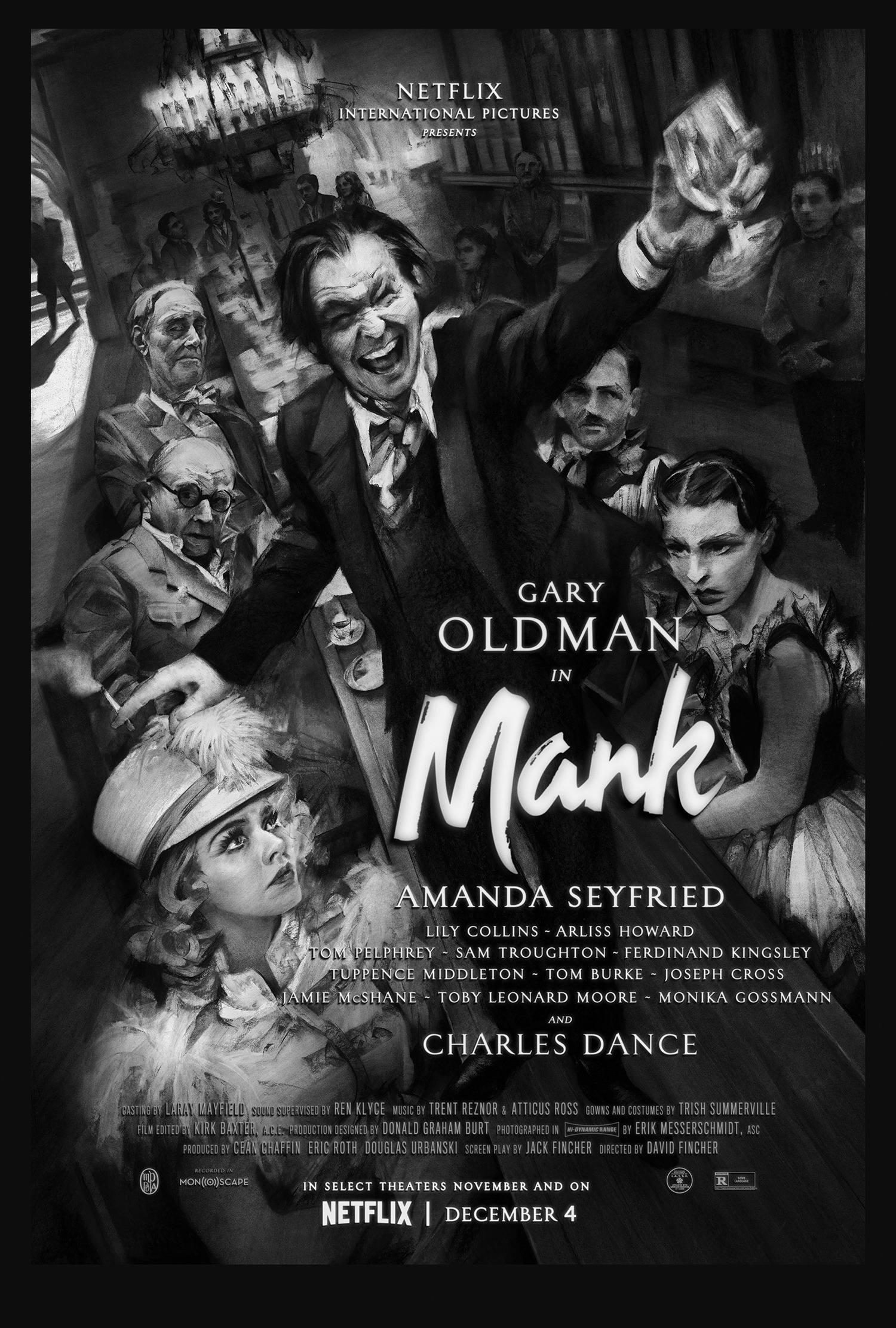
To be honest, I didn’t love this. Actually, aside from the production design and the dinner scene signifying the dramatic apex of the film, I didn’t even really like it that much at all. As a famous Fincher stan, I was so very excited for his return to form after what I’m calling his “television detour” with Mindhunter but I was, unfortunately, underwhelmed with the result. I am however excited that his partnership with Netflix has led to such easily accessible content and I hope that it inspires more people to watch his other films which I, personally, find to be largely better than this one. The aforementioned production design is impeccably researched and executed, Gary Oldman is in fine form, and Amanda Seyfried has found her golden era, but ultimately I found Mank to lack the pulsing narrative drive and dramatic edge that Fincher has become synonymous with. Normally, Fincher radically smears the binary of arthouse flick and high octane blockbuster— this one, however, is definitely sitting more on one side of the Venn diagram than the other.
Minari
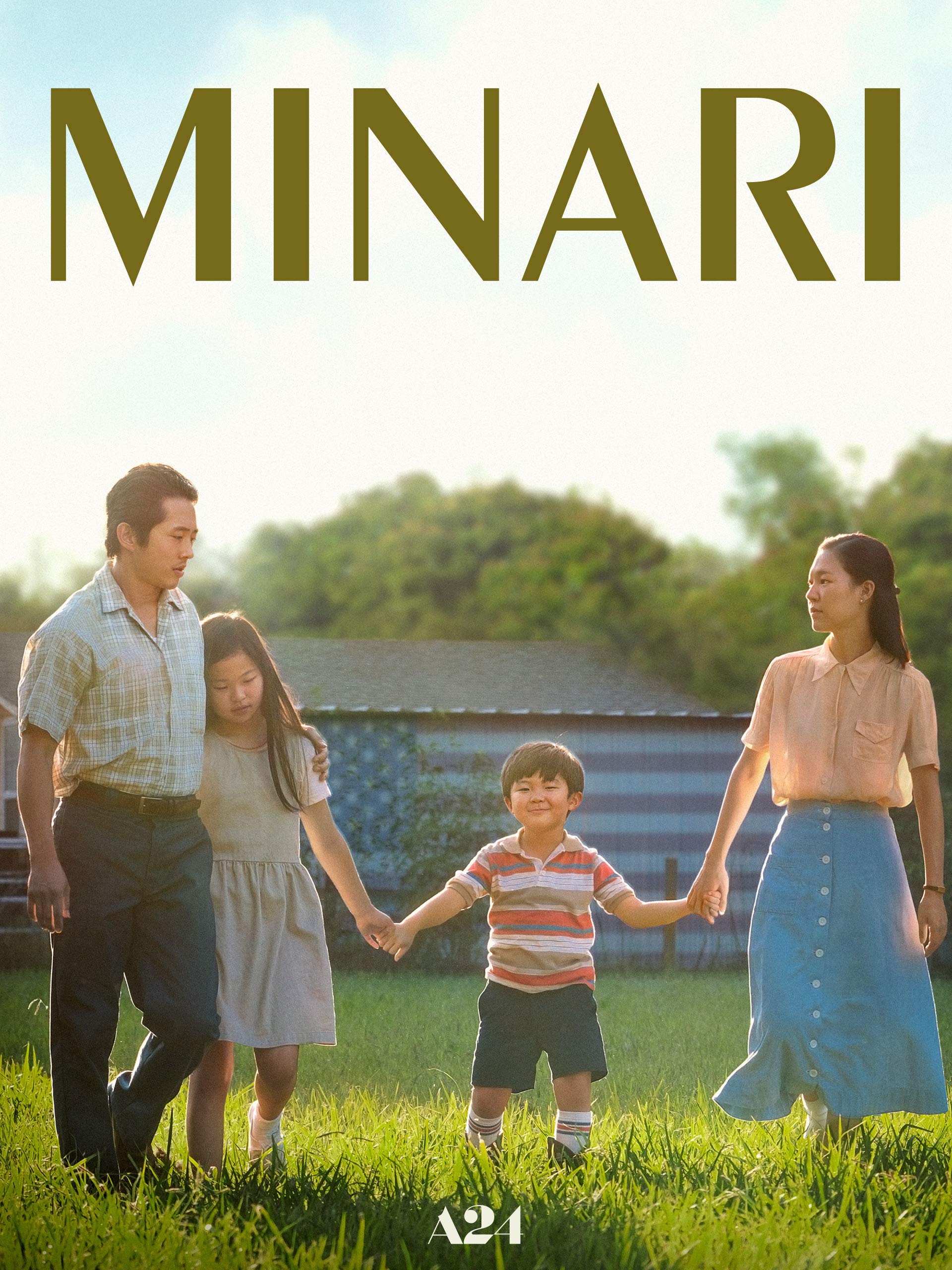
Hear me out: Minari is a tale of Korean immigration in order to fulfill that idyllic American dream, drenched in equal parts sunlight and salt of the earth, presented as a Tennessee Williams play. By this, I mean it’s a beautiful, ruminating, impactful A24 release about a Korean family that moves to Arkansas with conflicting ideas of what the American dream is or can be. Because of its autobiographical nature and timeless themes, it seems suspended somewhere between fiction and memory (think William’s The Glass Menagerie for an idea of how memory feels like its own character). The performances are truly perfect across the board, with the children and adults alike breathing thoughtful, fully formed life to their characters. The direction from Lee Isaac Chung is confident and clearly the product of lived experience which gives this often quiet film an unexpected weight. Films rooted in such specific experience can have one of two effects. One, they feel lofty and inaccessible, causing most viewers to feel alienated. Or two, they can reverberate throughout the audience because highly specific experiences often illuminate universal themes. Luckily, and with great triumph, Minari falls into the latter camp. At the end of the film, we learn that the titular plant is known for being resilient; it can grow wherever you plant it. What a beautiful metaphor for all those with a dream.
Nomadland
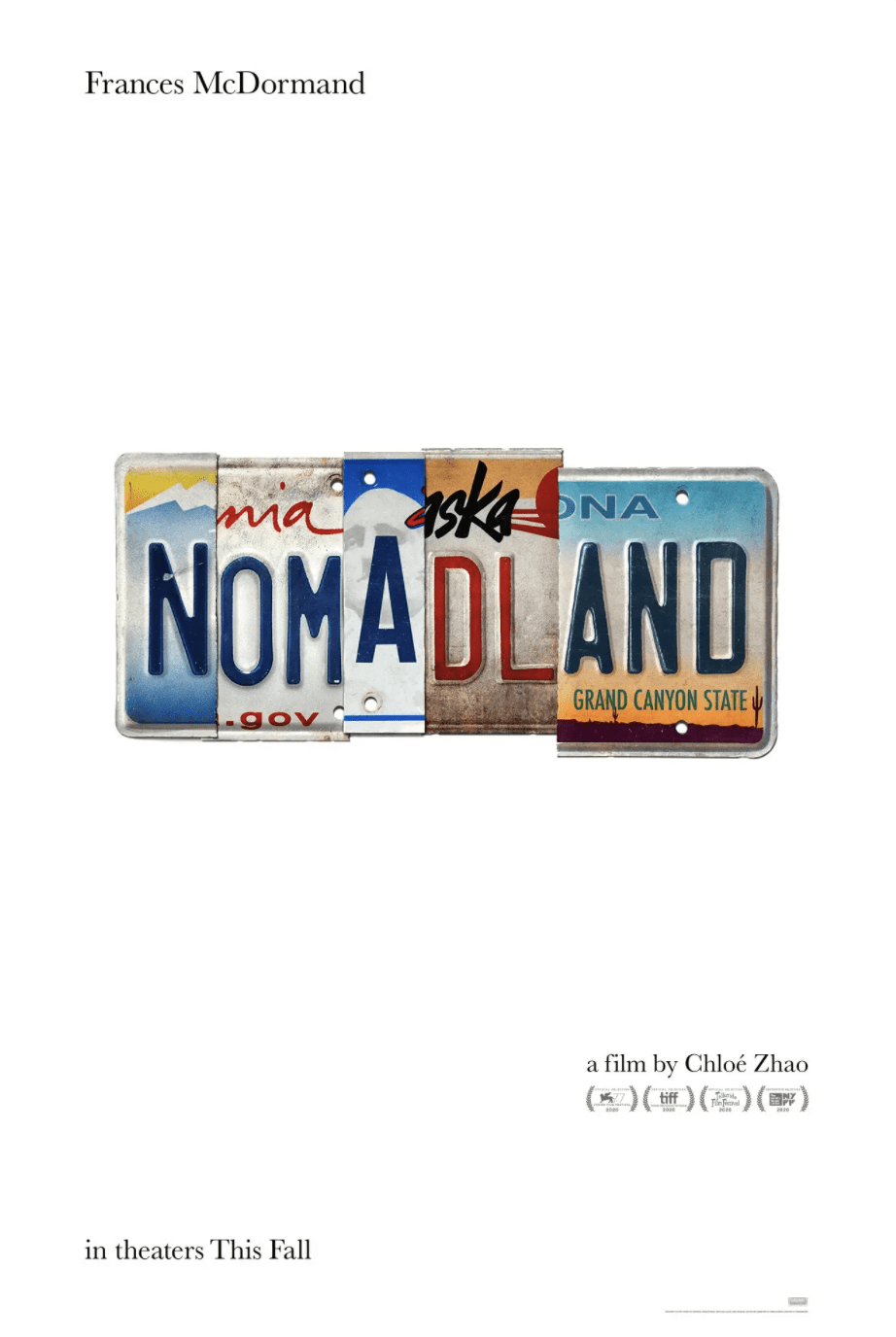
Nomadland really took my breath away at every corner. It’s completely transfixing in every way you can imagine. It’s a masterful work of art that gets right what so many movies about middle-America, or the “heartland” or what say you, wrong: it has no interest in assigning value to a nomadic lifestyle or poverty or those living off anything less than we’re indoctrinated to believe we need. It just presents these ways of life, these situations, in their full truth. Nomads aren’t portrayed as freeloading hippies, there’s no weight given to anyones bank account or investment profile, and those seeking a low-impact, low-waste aren’t portrayed as elitist or out of touch millennials looking to pitch their HGTV show. They just exist in delicious normalcy, with no need to define “normal” as they’re as free of confines as the vast dessert landscapes they roam. And they exist in a film that toes the line between narrative and documentary so delicately, it’s hard to tell one from the other. So often Hollywood feels out of touch from middle America. Luckily, the team behind Nomadland really did the work to make sure that didn’t happen. Technically, it’s filmed so beautifully it hurts. Frances McDormand is grounded and forceful without having to really do much of anything but listen. Chloé Zhao is proving she’s THEE contemporary director to watch. It’s just a delicious marriage of vision and skill and it’s hard for me to describe it with any grace or elegance so I guess I’ll just leave you with this: if you want to be caught up on the Oscar conversation, you must watch Nomadland.
Promising Young Woman
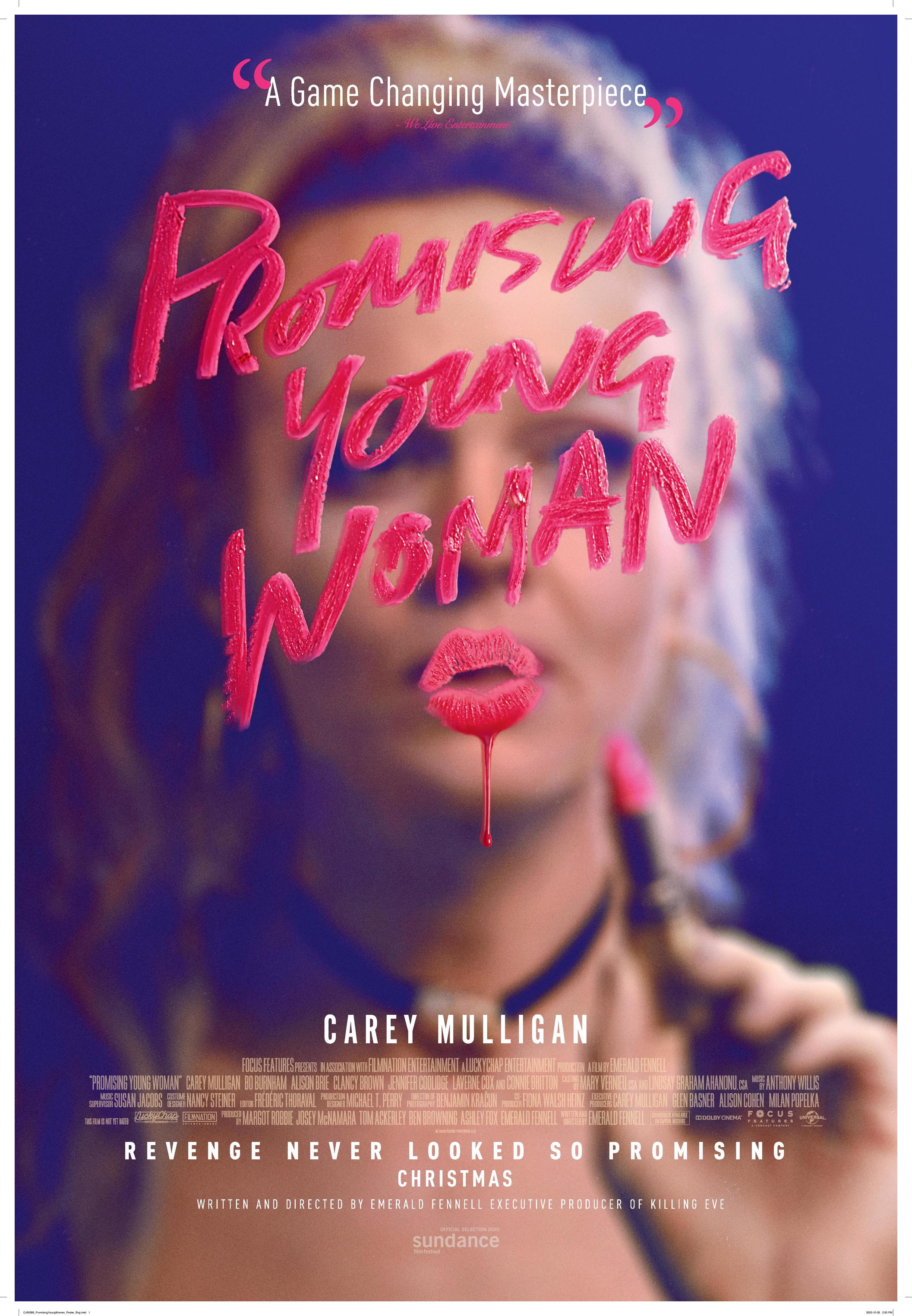
Talk about a movie aiming for the back row, wow. Personally, though the subject matter is polarizing and the ending is probably the most debated entry into the cinematic canon since Inception gave us the “is the totem still spinning” moment, I found this movie to be, well, everything. It doesn’t get more entertaining than an audaciously written, socially biting, bombastically constructed, fun to watch romp of a revenge thriller (say that five times fast). Emerald Fennell continues to prove that her talent seemingly has no ceiling as she continues to slay her way through writing, directing, and acting after being attached to such powerhouse projects as The Crown and Killing Eve (Fennell portrayed Camilla Parker Bowles in The Crown and served as show runner for Season 2 of Eve). Carey Mulligan anchors the film with all the nuance we’ve come to expect from her with a whole new layer of unabashed command and, less eloquently, badass-ery. She is truly next level (and clearly has my vote for Best Actress). I geeked out on Mulligan’s character’s name being Cassandra given it’s reference to Greek mythology (Cassandra was a Trojan priestess of Apollo cursed to utter true prophecies, but never to be believed), I foamed at the mouth for the indelible, candy-coated color palette, and the insane mash-up of styles left me glued to the screen, completely transfixed by what could possibly come next. But perhaps what I loved most about this film was how it started a conversation. Say what you will about the handling of its subject matter, you certainly can’t say it didn’t leave us all talking.
Sound of Metal


Sound of Metal is a movie you need to experience. It’s hard to put into words what it’s like watching a movie so reliant on sensory experiences so I’ll keep this one brief. This film totes a story about love, loss, and reclamation. It’s a story about hope, despite how unhopeful projects from the mind of Derek Cianfrance tend to feel, which makes this one such a pleasant surprise. And more subtly, it’s a story about identity. Are we our profession? Are we our abilities or disabilities? Are we our addictions? Are we our skills? Are we our partners? Or are we just some messy mix of all that and more? Ultimately, Sound of Metal is interested in the recipe for humanity and what a sweet treat it concocts.
The Trial of the Chicago 7

Listen, as fun as it is to drag how heavy-handed and melodramatic Hollywood golden-boy Aaron Sorkin is, I really did have a blast watching The Trial of the Chicago 7. It’s perfectly paced, features a glorious roster of true talent (many of whom are Oscar/Emmy/Tony winners), and affords itself just enough real emotional gravitas to counter the accompanying melodramatic eye rolls. It has a bit too much delusion of grandeur for my taste but, as I mentioned, I still enjoyed the experience of watching it and absolutely can cop to rooting for that cast of characters so hard by the end. Let it be known that Chicago 7 is absolutely FLAGRANT Oscar bait (biopic, topical, dramatic, triumphant, Sorkin), but hey, if it ain’t broke, don’t fix it. I do fear the glitz and glam will persuade Academy voters to award it Best Picture but I do think that that same voting body’s equally flagrant death wish for Netflix will smear the campaign a bit. In the end, it wouldn’t surprise me either way. We got a groundbreaking, artistic masterpiece of a Best Picture winner last year so it may be time for another Green Book-type win. Let us bow our heads and pray against the latter.
Will Win: Nomadland
Could Win: Minari or The Trial of the Chicago 7
Should Win: Nomadland
Should’ve Been Nominated: Never Rarely Sometimes Always, Da 5 Bloods, Tenet